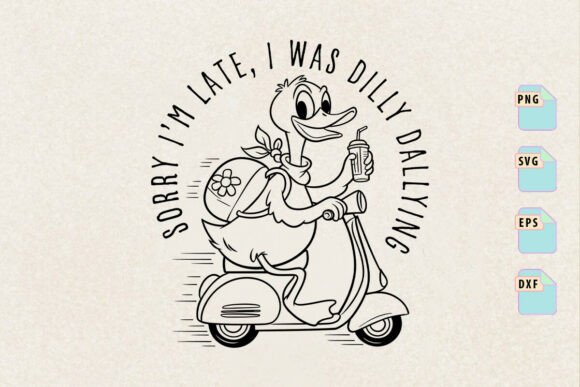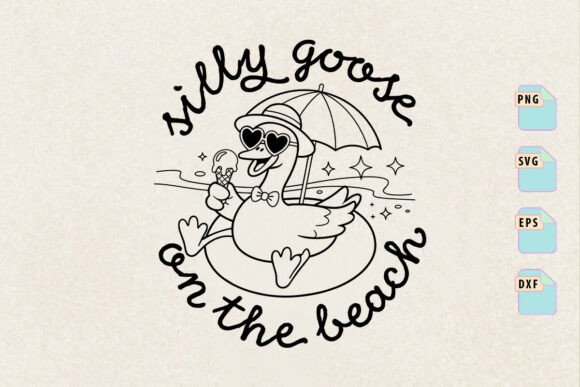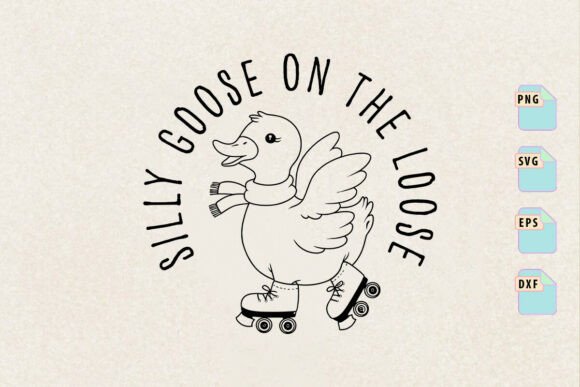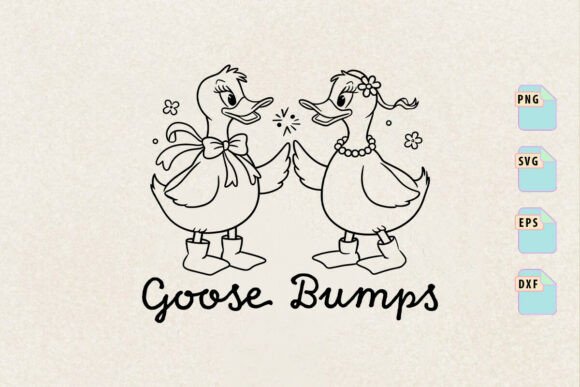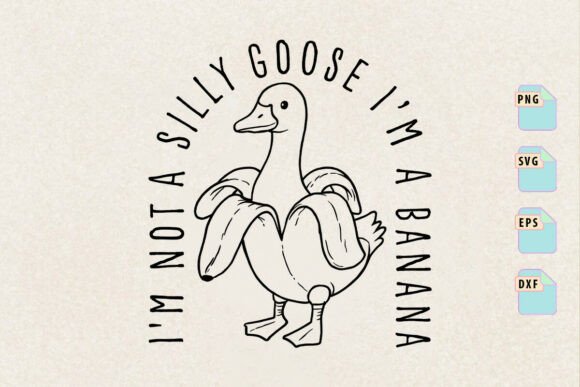
Beautiful Day for Learning Goose SVG
As someone who’s stitched hundreds of school-themed designs—from kindergarten backpacks to teacher appreciation gifts—I opened Beautiful Day for Learning Goose SVG with quiet curiosity. Not hype, not urgency—just the practiced eye of a designer who knows how a cheerful goose can either elevate a project or unravel under thread tension. This isn’t just clipart dressed up for Back to School season. It’s a small, intentional composition that asks to be *embroidered*, not just printed.
A First Stitch in Context: Tote Bags That Actually Sell
Last week, I prepped a batch of cotton canvas tote bags for a local preschool’s “First Day Fair.” Parents love personalized gear—but they also notice when stitching looks rushed, pixelated, or too dense for the fabric. I loaded Beautiful Day for Learning Goose SVG into my embroidery software and sized it to 3.8” wide—the sweet spot for a front-panel tote design. Instantly, its charm clicked: soft curves on the goose’s body, open negative space in the “Learning” banner, and clean, uncluttered lettering. No tiny serifs. No overlapping elements. Just friendly, legible, and stitch-friendly geometry.
That matters. A machine embroidery design with tight corners or micro-details often frays on textured canvas—or worse, forces you to over-stabilize and stiffen the whole bag. Beautiful Day for Learning Goose SVG avoids that trap. Its layout breathes. The goose sits slightly off-center, giving room for growth (literally—great for baby embroidery or toddler-sized items) and visual balance. It feels handmade, not mass-produced—even before the first needle drops.
Where It Shines—and Where to Pause
This design thrives on stable, medium-weight fabrics: cotton twill for aprons, brushed poly-cotton for sweatshirts, linen-blend tea towels, and quilting cotton for nursery pillows. I tested it on a lightweight chambray shirt—no issues. On a ribbed knit baby onesie? I added light cutaway stabilizer and slowed my machine speed. The result was crisp, with no puckering. The satin stitch on the goose’s beak held beautifully; the fill stitch in the wings stayed smooth, not spongy.
But here’s what I’d flag for fellow craft business owners: avoid using Beautiful Day for Learning Goose SVG at under 2.5” on highly textured fabrics like terry cloth or thick fleece. Those little wing feathers lose definition fast. And while the lettering is bold enough for most applications, don’t push it below 1.75” on dark fabric without checking contrast in a printable mockup first—some Etsy sellers have told me they’ve had to tweak thread colors mid-batch when the “Goose” outline faded on navy.
It’s also not ideal for curved surfaces like structured caps—unless you’re using a cap frame and willing to split the design manually. The banner element wraps cleanly across flat planes, but bends awkwardly over a crown. For hats, I’d recommend pairing it with a simplified monogram or using just the goose as an applique design instead.
Real Impact on Your Craft Business
Let’s talk value—not just stitch count, but perceived value. When customers see this embroidered on a handmade pillow cover or a custom-embroidered sweatshirt, they read “thoughtful,” not “generic.” That perception directly affects pricing confidence. I’ve watched small shop owners raise their custom apparel fees by 15–20% when swapping out generic school fonts for cohesive, illustrated designs like Beautiful Day for Learning Goose SVG. Why? Because it signals care—not just in execution, but in curation.
For Etsy sellers, it’s a quiet branding win. Used consistently across listings—a matching set of tea towel + baby bib + patch—you build visual recognition without shouting a logo. And because it’s rooted in warmth (not cartoonish energy), it crosses age groups: works for preschoolers *and* adult educators ordering staff gifts.
Practical Notes Every Embroidery Designer Should Check
- Test first—on scrap fabric matching your final product’s weight and stretch. Even “simple” designs behave differently on bamboo vs. cotton poplin.
- Review stitch density in your software. If the fill areas look overly saturated, reduce density by 5–8%—especially for baby embroidery or items meant for frequent washing.
- Confirm hoop size before digitizing. This design fits comfortably in a 4×4 hoop, but check your version’s actual dimensions—some SVG-to-embroidery conversions add padding.
- Inspect small details: the curve of the goose’s smile, the spacing between “Beautiful” and “Day.” These define personality in finished embroidery.
- Try black-and-white mockups before committing to thread colors. What reads as playful in color may feel flat in monochrome—critical for boutique branding.
- Stabilizer choice matters. Use tear-away for stable wovens, cutaway for knits or lightweight fabrics. Don’t skip it—even for “simple” graphics.
- Licensing clarity: since this is labeled a digital download for crafting and handmade use, verify whether commercial embroidery rights are included if you plan to sell finished products at craft fairs or online.
Final Thought: It’s More Than a Goose
Beautiful Day for Learning Goose SVG doesn’t try to do everything. It doesn’t shout. It doesn’t overload. Instead, it offers quiet reliability—the kind of embroidery file you reach for when you need something that stitches cleanly, sells easily, and feels genuinely warm in the hand. Whether you’re prepping a holiday embroidery run for teacher gifts, building a cohesive line of nursery decor, or refreshing your Etsy shop’s Back to School collection, this design earns its place in your library of trusted design assets.
Just remember: even the friendliest goose needs thoughtful execution. Test. Adjust. Respect the fabric. Then let it do what it does best—make learning feel light, joyful, and unmistakably handmade.