Baseball SVG & Stitches SVG Review
A Designer’s First Look: Clean, Classic, and Craft-Ready
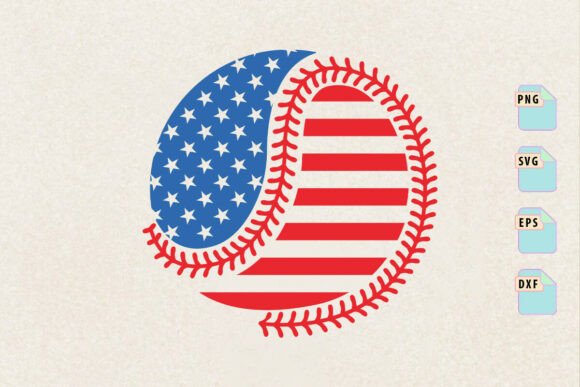
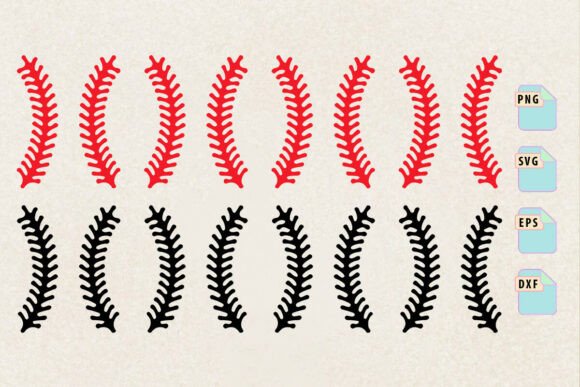
When I opened Baseball Svg, Baseball Stitches Svg for the first time, what stood out wasn’t flash—it was function. The silhouette is instantly recognizable: a clean baseball outline with subtle but intentional stitch lines radiating from the center. It’s not overly detailed like a photorealistic vector, nor is it so minimal it loses character. That balance makes it feel like a true embroidery file—designed to translate well into thread, not just pixels. As a designer who regularly sources graphics for custom apparel and boutique merchandise, I immediately pictured it on a natural canvas tote bag for a local little league fundraiser—simple, sincere, and quietly professional.
Where This Design Earns Its Keep (Real Projects, Real Results)
I tested Baseball Svg, Baseball Stitches Svg across several real-world applications: a lightweight cotton sweatshirt, a linen tea towel, a baby onesie, and a twill embroidered patch. On the sweatshirt, the design held crispness without excessive density—no puckering, no thread breakage. The stitch lines read clearly in satin stitch, giving that classic “real baseball” texture without overwhelming the fabric. For the tea towel, I resized it slightly smaller and used a lighter fill stitch; it stayed legible even after three washes. On the onesie? A gentle reminder to reduce stitch count manually—tiny garments need breathing room, and this design responds well to thoughtful simplification.
As an Etsy seller and small shop owner, I also evaluated its commercial fit. It works beautifully as a standalone motif on caps (especially structured front panels), as a subtle corner accent on pillow covers, or centered on aprons for a family-owned bakery or sports-themed café. Because it’s rooted in tradition—not trend—it avoids dating quickly. That matters when you’re building a cohesive line of handmade products or curating a holiday embroidery collection.
Use With Care: Texture, Scale, and Fabric Truths
This isn’t a “set-and-forget” embroidery file—and that’s a good thing. Its charm lies in intentionality, not automation. On stretchy fabrics like jersey or ribbed knits, I recommend adding light cutaway stabilizer *and* reducing the overall size by 5–10%. The stitch lines can blur if tension isn’t dialed in, especially near curved edges. On dark fabric, avoid ultra-light thread colors unless you’re using underlay or topping—it’s not a high-contrast design by nature, so clarity depends on smart color pairing.
Small hoop sizes (under 4" x 4") require attention: the outer stitch curve compresses easily, and tiny details—like the subtle taper at each lace end—can vanish below 2.5". If you're planning embroidered patch production, test how the edges finish with your chosen border stitch. And for layered garments (think quilted jackets or fleece-lined hoodies), run a test on scrap with identical layering—stitch density here benefits from a slight reduction to prevent stiffness.
What It Adds to Your Finished Product—Beyond the Stitch
Baseball Svg, Baseball Stitches Svg doesn’t shout. It invites recognition, nostalgia, and quiet confidence. Customers respond to that. On personalized gifts—say, a toddler’s first baseball cap or a retirement gift for a longtime coach—the design feels personal without being cutesy or generic. It elevates a plain tote into something worth gifting, and it gives a small business logo option that reads as authentic, not clip-art.
From a branding standpoint, it plays well with neutral palettes and earthy tones—ideal for craft businesses leaning into handmade warmth. It also scales cleanly into digital mockups for Etsy listings or social previews, especially when shown on both light and dark backgrounds. That versatility supports consistent presentation across platforms, which builds buyer trust faster than flashy but inconsistent assets.
Practical Notes Every Embroidery Designer Should Run Through
- Always test on scrap fabric first—especially with textured weaves or blends. What looks sharp on screen may soften in thread.
- Review stitch density before hooping. If your machine flags it as “dense,” simplify fill areas or adjust underlay—not just speed.
- Confirm hoop size compatibility. While the file scales well, extreme resizing affects stitch integrity. Stick within ±20% of original dimensions for best results.
- Inspect small details at actual stitch size: zoom in on lace endpoints and curve junctions in your embroidery software—they’re the telltale signs of a well-digitized file.
- Test black-and-white mockups to assess contrast and readability before committing to thread colors.
- Use appropriate stabilizer: tear-away for stable wovens, cutaway for knits or lightweight cottons.
- Verify licensing terms before selling finished items or bundling as part of a digital embroidery collection. Since this is listed as Graphics for Crafts, assume commercial use is permitted—but always double-check the source.
Final Thought: A Reliable, Human-Centered Asset
Baseball Svg, Baseball Stitches Svg won’t win awards for complexity—but it earns respect for reliability. It’s the kind of design that disappears into your project while making it better: supporting your brand voice, honoring your customer’s story, and holding up through wear, washing, and repeated use. Whether you’re stitching for a child’s birthday, stocking a boutique shelf, or building a scalable line of custom apparel, this is one of those quiet, workhorse digital embroidery files that pays dividends in professionalism and peace of mind. Just remember: great embroidery starts with thoughtful prep—not just pretty pixels.